Commercial Property Maintenance in Cape Town
Updated: Nov 1
A minor building fault can quickly interrupt a working day. Commercial property maintenance in Cape Town combines planned upkeep with practical repairs to keep business premises functional, presentable and in sound condition. A good approach covers visible wear and problems that may worsen if left unattended.
This guide explains what commercial property maintenance can include, how to organise the work and what affects its scope and cost. It also covers how to assess maintenance needs and how House of Maverick’s building, finishing and refurbishment services can help when a property needs practical work.
Table of Contents
Coastal property maintenance challenges in Cape Town
Cape Town’s coastal setting exposes commercial buildings to salt, wind and moisture. Properties near Table Bay or False Bay may develop corrosion on metal fittings, faded paint and wear around exposed doors. These conditions affect external surfaces first and can reach fixings and finishes if neglected. Include exposed elevations, roof edges, gutters and metalwork in maintenance inspections.
Salt deposits can collect on railings, frames, signs and air-conditioning components. During inspections, record visible rust, loose fixings and peeling coatings, then prioritise repairs according to exposure and condition. For example, a corroding gate hinge may need cleaning and protective treatment before it seizes. Consistent records help property managers track changes and plan suitable upkeep.
Wind-driven rain can expose weaknesses around roof joins, windows and wall penetrations. After wet weather, check for water marks, especially beneath roof edges and around service entry points. Damp patches inside may indicate failed waterproofing or blocked drainage. Trace the source before repainting, or the stain may return and conceal ongoing damage.
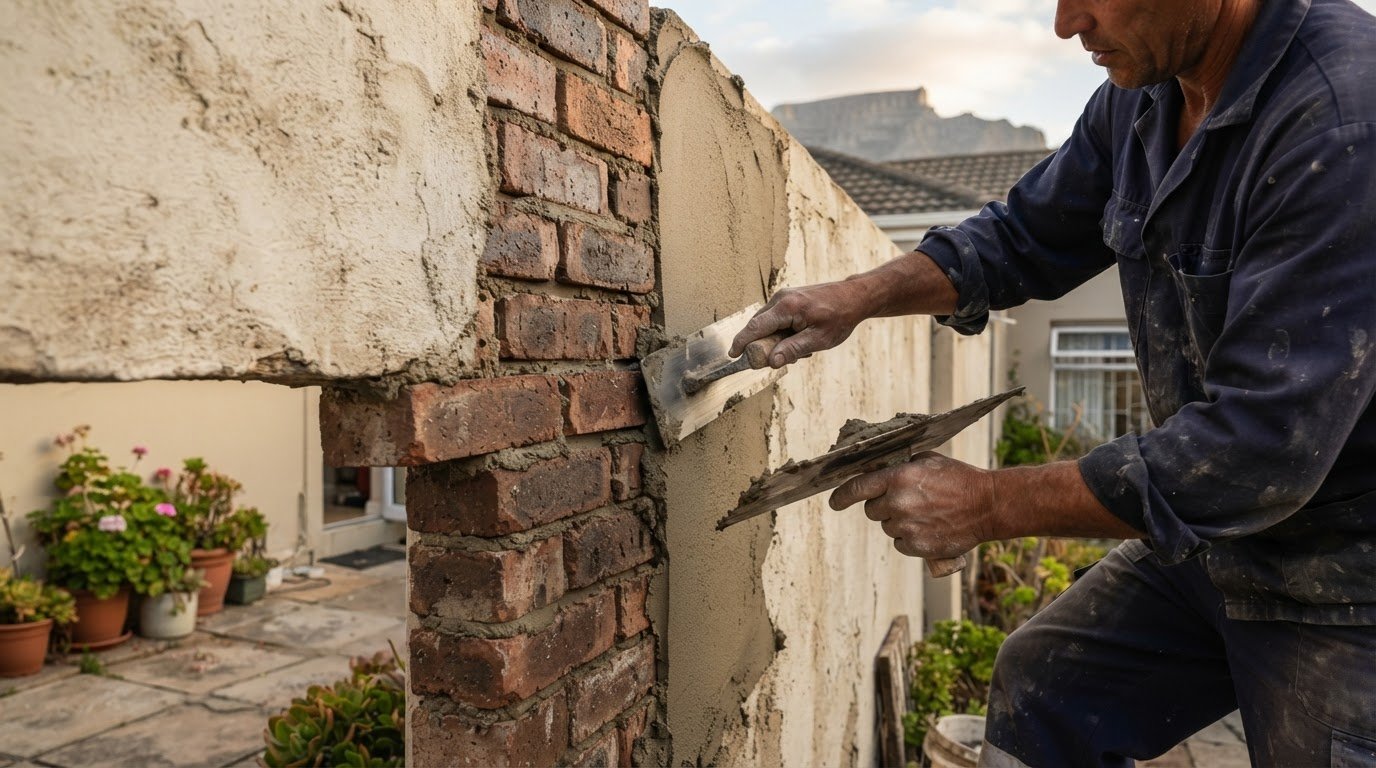
Coastal maintenance also means choosing repair methods suited to the building’s exposure. A paint finish suitable for a sheltered wall may not last as well on an exposed frontage. Repair damaged plaster only after addressing the source of moisture. Record the affected location, material and repair so the next inspection has a clear comparison point.
How can property owners assess a commercial maintenance contractor in Cape Town? Compare relevant trade experience, a written scope, safety arrangements, references and reporting. Before work starts, the site assessment should identify the defect, proposed repair and boundaries of the work.
What South African laws and municipal rules apply to commercial property maintenance in Cape Town? South African building and workplace safety requirements, along with applicable City of Cape Town rules, shape maintenance work. Requirements depend on the task, building use and whether the work affects the structure, services or public areas.
Which Cape Town companies offer commercial property maintenance, and what areas do they cover? Maintenance firms serve different parts of Cape Town, often organising coverage by suburb and job type. Compare the stated coverage for the central area, northern and southern suburbs, and coastal districts with the property’s location.
What risks and insurance considerations apply when hiring commercial property maintenance contractors in South Africa? Consider potential building damage, injury risks, disruption to occupants and responsibility for work areas. Review liability and worker-cover arrangements, and define access, protection and incident-reporting responsibilities in writing.
Inspect exposed roofs, gutters, metal fittings and paintwork for early signs of coastal wear.
Record each defect’s location and condition, then use those notes to guide follow-up inspections.
Trace moisture to its source before repairing plaster or repainting affected surfaces.
Electrical and plumbing services
A flickering light, warm switch or tripping circuit can disrupt a Cape Town workplace. Before arranging an inspection, note the affected room, equipment and time. This record can help identify whether the fault is isolated or recurring. Keep staff away from visibly damaged fittings and avoid using affected equipment until it has been assessed.
Electrical maintenance involves more than replacing a failed lamp. A walk-through can reveal damaged sockets, loose fittings, inconsistent lighting and exposed cables. For example, repeated outages in one office may point to a local circuit issue rather than a building-wide supply problem. Record each symptom and location, then share the details during the repair assessment.
Plan electrical and lighting work around how the building is used. A reception area, storeroom and workstation have different lighting needs and operating patterns. Before a repair, identify access requirements, affected areas and equipment that must remain available. Clear planning helps limit disruption and define the work. After completion, record what was repaired and whether follow-up work is needed.
Plumbing faults can affect trading, staff facilities and adjoining units. A dripping tap may seem minor, while a blocked basin or leaking pipe can cause damage and interrupt daily use. Report where water appears, whether it changes during use and which fixtures are affected. If a leak is near electrical equipment, keep people clear and arrange a prompt assessment.
For a leak: identify the nearest fixture, visible water path and affected room.
For a blockage: record which basins, toilets or drains are slow or unusable.
For an odour: note whether it comes from a particular drain or area.
For repeat faults: compare dates and locations to help reveal a pattern.
A practical maintenance brief distinguishes the immediate repair from the underlying cause. Replacing a damaged tap may restore use, but recurring leaks can indicate a wider pipe or fitting problem. Repeated circuit trips also need investigation rather than repeated resets. Clear findings help property managers prioritise work and identify areas to monitor.
Keep a simple record for each job: reported fault, affected location, work completed and any outstanding issue. This supports handover between building managers and helps track recurring problems. For coordinated electrical and plumbing work, a clear description of the fault and its location is a useful starting point.
Emergency repairs
A burst pipe, failed entrance door or roof leak can interrupt a working day. Treat the first response as damage control, not a complete repair. Identify the affected area, keep people clear of immediate hazards and notify the person responsible for the premises. For example, water entering a storeroom may threaten stock and nearby electrical equipment.
Start with a concise incident record. Note the time, location, visible damage and any change since discovery. Take photographs from a safe position, and record which rooms or business operations are affected. This helps the person arranging repairs explain the problem clearly and gives the repair team useful context before arriving.
Prioritise issues according to immediate risk and the chance of further damage. A roof leak above a busy entrance needs attention before a loose cupboard handle. A broken shopfront lock may affect access and security, while a blocked staff basin may restrict use of facilities. List the affected areas and explain the consequences of delay.
Some incidents have several possible causes. Water on a ceiling could come from a roof defect, plumbing leak or drainage problem. A burning smell near a fitting calls for a different response from a failed light. Describe what you can observe instead of guessing at the cause. Clear information supports a focused assessment.
Before repair work starts, agree on the affected work area, access arrangements and immediate priorities. In a shared building, notify relevant occupants about restricted access or temporary disruption. Where practical, protect nearby stock, furniture and equipment. Record decisions, including any temporary measures taken to limit further damage.
A temporary measure is not a completed repair. Covering a damaged area or placing a container beneath a leak may reduce the immediate impact, but the underlying fault still needs assessment. Record what was done and where. This gives the repair team a clear starting point and helps prevent temporary arrangements from being overlooked.
Close out the incident with a simple follow-up process:
Confirm which areas or services are usable again.
Record any remaining damage and work still required.
Update the property maintenance record with photographs and repair details.
Review whether the same fault has appeared elsewhere in the building.
At Cape Town premises, wind-driven rain, busy trading areas and shared access points can shape the response. A clear incident description, sensible priorities and documented follow-up help property managers move from disruption to a properly scoped repair.
HVAC installation, maintenance and repair
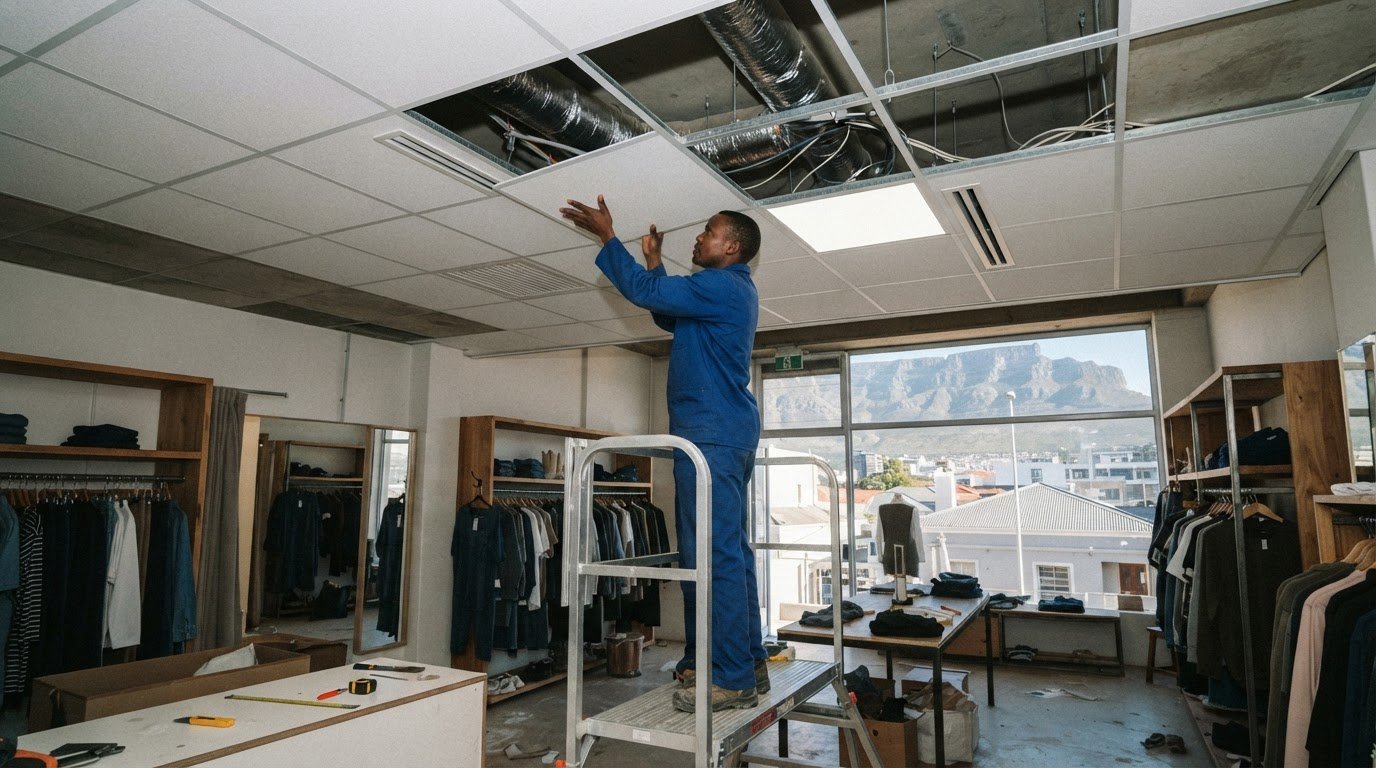
Heating, ventilation and air-conditioning affect comfort, airflow and daily operations. In a Cape Town office, a meeting room may feel stuffy while the reception remains comfortable. That difference can point to airflow, room use or equipment issues. Before arranging an assessment, describe which areas feel uncomfortable and when the symptoms occur.
Installation planning starts with the rooms the system must serve. Note room size, window exposure, occupancy patterns and existing equipment. A boardroom used by a large team has different demands from a small private office. The installer can use these details to assess system capacity, unit placement and airflow through each space.
Access matters too. Consider where an indoor unit, outdoor equipment and connecting pipework could go. Account for staff movement, maintenance access and the appearance of public-facing areas. In a retail space, equipment placement should suit customer areas and shelving. A clear plan helps avoid conflicts with ceilings, lighting and other building services.
Routine upkeep can reveal developing faults before the system stops working. Inspect filters for dust, check that supply and return vents aren’t blocked, and look for water around indoor units. Note unusual sounds, weak airflow or changes in room temperature. These observations give a repair assessment a practical starting point.
Record the affected room and the time the problem occurs.
Note whether airflow feels weak, warm, noisy or uneven.
Check for visible water or blocked vents without dismantling equipment.
Keep previous service and repair notes with the building records.
Repairs should address the fault, not just its visible effect. A unit that stops cooling may have an airflow issue, a drainage problem or a component fault. Repeatedly changing settings won’t establish the cause. Describe what changed, what the system was doing beforehand and whether other rooms are affected.
Planning an installation or repair also means accounting for disruption. Identify occupied rooms, access routes and periods when equipment can be switched off. In a working office, an agreed sequence can help keep unaffected areas available. Record which rooms need attention and communicate temporary operating changes to occupants.
The scope and cost of air-conditioning work depend on system capacity, equipment condition, access, installation requirements and parts needed. Repairing an accessible unit differs from installing equipment where access is limited or existing services may conflict. A written scope should identify the work, affected areas and any related building adjustments.
After work, record the equipment involved, the fault addressed and any follow-up observations. If the same room becomes uncomfortable again, compare its symptoms with earlier notes. This helps distinguish a recurring issue from a new problem and supports more focused maintenance planning.
Routine inspections and upkeep
A planned approach to commercial property maintenance in Cape Town starts with a repeatable inspection routine. Walk through each area using the same checklist, then record its condition and the action needed. For example, note a loose handrail separately from peeling paint, since each requires different attention.
What building, fire, electrical, plumbing and occupational safety inspections are required for Cape Town commercial properties? Relevant checks depend on building use, installed systems and the work being carried out, as well as applicable South African and City of Cape Town requirements. Keep records of inspections, findings and repairs, and set a schedule suited to the property rather than assuming one timetable fits every site.
Use a site plan or room list to make each inspection repeatable. Include entrances, shared corridors, work areas, storerooms, bathrooms and service spaces. Check doors, visible wall damage, ceiling marks, drainage and lighting. Following the same route helps reveal changes, such as a new stain beneath a ceiling joint or a door that no longer closes properly.
Record observations across the main areas of the building:
Building: note cracks, loose finishes, damaged paving and water marks.
Fire precautions: record obstructed exit routes and equipment that appears inaccessible.
Electrical: note damaged fittings, exposed cables or recurring lighting problems.
Plumbing: record leaks, slow drains, loose taps and damp areas.
Workplace safety: identify trip hazards, blocked access and damaged handrails.
Inspection notes help managers distinguish hazards from planned repairs. An obstructed exit needs prompt attention, while faded paint may fit a scheduled upkeep plan. Record who reported each issue, what action followed and whether the repair resolved it. This creates a useful history if similar faults return.
After rain or building work, inspect affected areas for changes. Look for ceiling discolouration, damp flooring, loose materials or blocked drains. After a maintenance visit, check that work areas are clear and access routes remain usable—a standard reflected by specialist commercial providers such as Advance Cleaning Services Inc. when restoring premises after contractor repairs. These follow-ups connect completed work with the building’s day-to-day condition.
Assign responsibility for each action and keep inspection records together. A maintenance log can include photographs, repair notes, outstanding items and relevant service documents. Review open items at property meetings so recurring faults remain visible between handovers. Clear records also help organise future work, such as building and plasterwork, plumbing, or electrical and lighting repairs. This gives commercial property maintenance in Cape Town a practical basis for prioritising work and tracking recurring needs.
Use inspection findings to organise the next maintenance steps with a building maintenance discussion.
House of Maverick: Office Remodelling
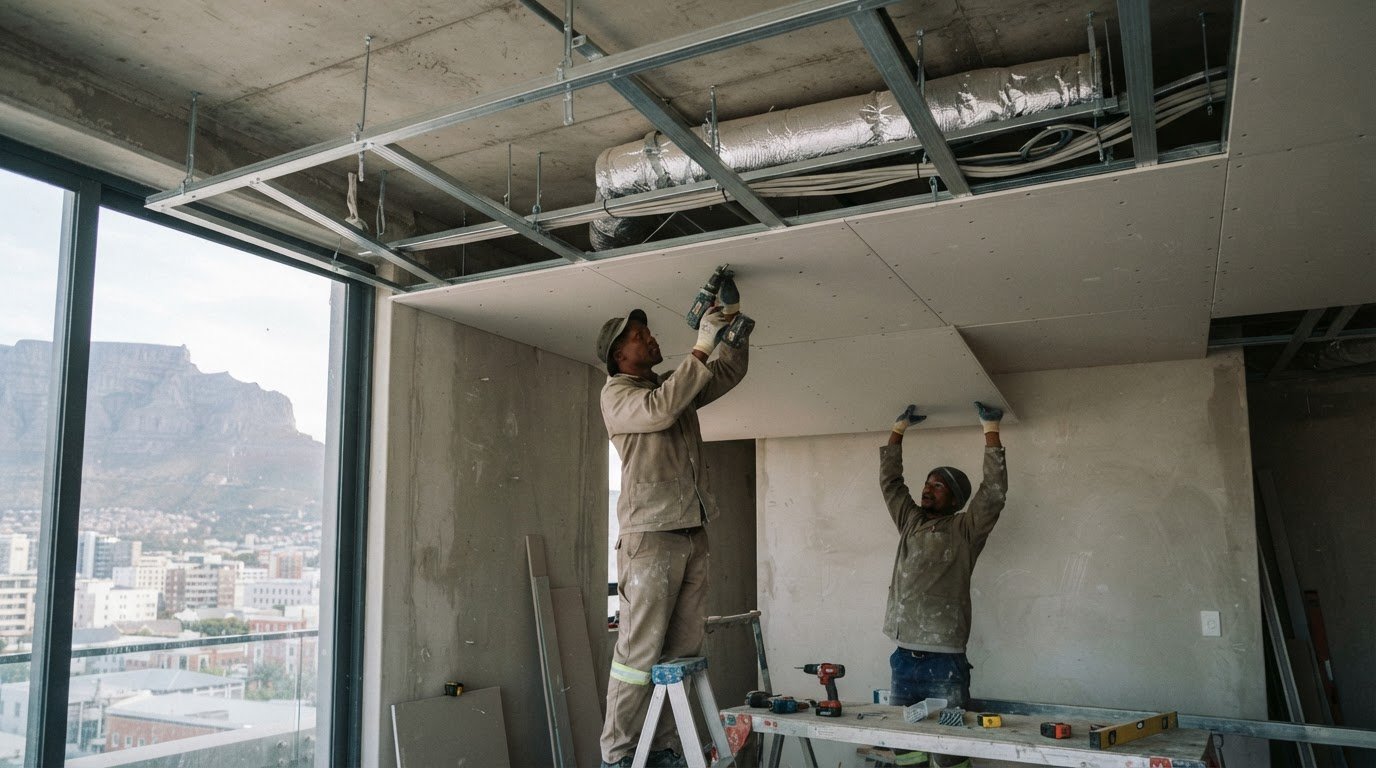
House of Maverick can help when an office needs practical refurbishment rather than isolated upkeep. Office Remodelling can bring related improvements together, such as refreshed paintwork, air-conditioning, or new Dry Wall and Ceilings. This is useful when worn finishes, changing workspace needs or damaged interior surfaces call for coordinated attention.
For example, changing an office layout may require updated partitioning and ceiling work, followed by painting to finish the space. Air-conditioning can also be part of the project when room use or layout changes. The work can be shaped around the property’s requirements and the areas needing improvement.
For Office Remodelling or related interior work, contact House of Maverick or visit houseofmaverick.co.za.
Plan the next improvement with confidence
Turn maintenance observations into a clear work brief. Identify the area needing attention, the change you want to make and how the space is used. This gives a project a practical starting point, whether the priority is updating an office or improving its finishes.
For commercial property maintenance in Cape Town, House of Maverick offers Office Remodelling, Painting and Air-conditioning. These services can support a workspace refresh when the interior condition, layout or comfort needs attention. A defined scope keeps the work focused on the property’s priorities and intended use.
When you’re ready to discuss an office improvement, contact House of Maverick about your project. A clear brief can help move the next step forward calmly and practically.
Frequently Asked Questions
What commercial property maintenance services are available in Cape Town?
Available services can range from repairs to refurbishment and building upgrades. House of Maverick’s commercial work includes Shop Fitting, Office Remodelling, Painting, Waterproofing, roof repairs, Plumbing, Electrical and Lighting, Air-conditioning, Flooring, Dry Wall and Ceilings, paving and Networks. The right scope depends on the property’s condition and intended use. A retail fit-out, for example, may need different work from an office interior refresh.
What routine maintenance schedule should commercial properties in Cape Town follow?
Set the schedule around each building’s use, equipment instructions and maintenance history, rather than applying one timetable everywhere. A busy retail entrance may need closer attention than a rarely used storeroom. Group recurring tasks by area and assign responsibility, then record findings and completed work. Review the schedule after renovations, equipment changes or repeated faults so it reflects the property’s current condition and operating needs.
How does Cape Town’s coastal climate affect commercial building maintenance and repair needs?
Coastal exposure can accelerate wear on exposed metalwork, exterior finishes and joints where water enters. The effect varies with the building’s distance from the sea, orientation and materials. Compare exposed and sheltered elevations during inspections; differences in rust, coating wear or seal condition can guide priorities. After strong coastal weather, check vulnerable fixings and external openings, then record changes to inform future maintenance decisions.
Which Cape Town companies offer commercial property maintenance, and what areas do they cover?
House of Maverick’s capabilities include building, finishing and refurbishment work. Maintenance firms serve different parts of Cape Town, with coverage commonly organised by suburb and job type; compare their stated coverage in the central area, northern and southern suburbs, and coastal districts with the property’s location.
Comments